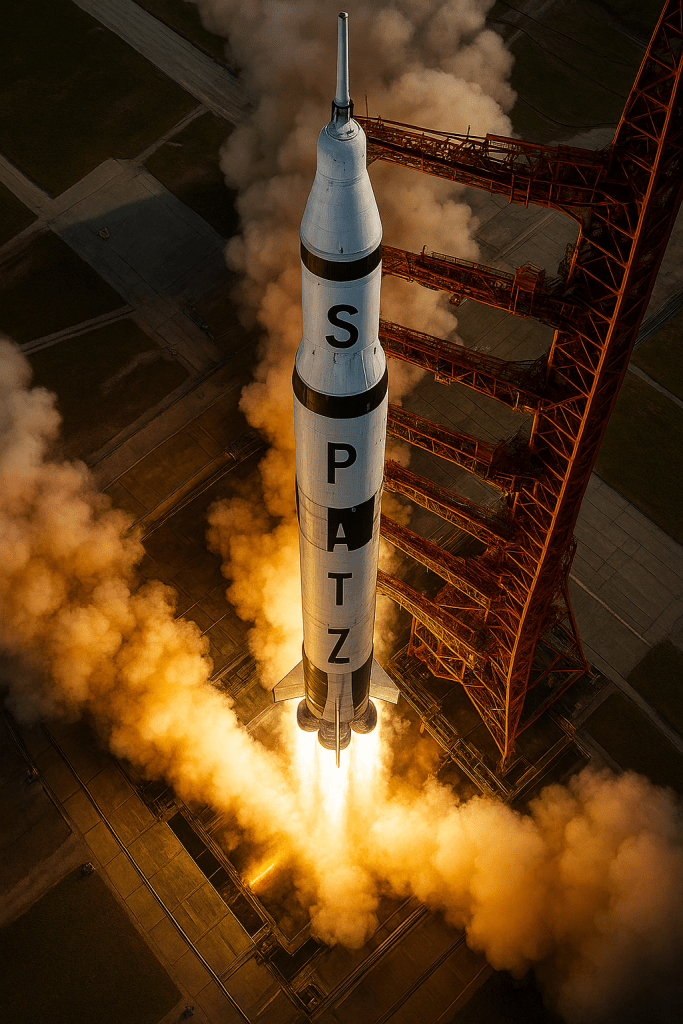
In 1961, JFK told the world America would send a man to the moon and bring him home safely within the decade. People thought it was madness. But they built rockets anyway.
Today, I’m lighting a different fuse:
“By 2035, I believe a fairness procedure and system will be standard in workplace teams globally, not through policies or posters, but through a real-time, structured system similar to SpatzAI“.
Fairness in teams isn’t just rare, it’s treated like a luxury or a buzzword. In many ways, it feels as unlikely now as a moon landing did in 1960. But like NASA, I’ve spent decades quietly assembling a launch vehicle piece by piece, from a lifetime of spats, hard lessons, and one burning question:
How do we handle objectionable behavior in workplace teams without making it worse?
SpatzAI is what I call an S-type loonshot: a system innovation. It’s not a better product. It’s a better process:
- A way for teams to call out minor behavior safely (Caution),
- Escalate if needed (Objection),
- And reach resolution (Stop)—with help from the team, not just a boss.
It’s simple. It’s structured. And like the Saturn V rocket, it comes in stages:
| NASA Moonshot | SpatzAI Fairness Loonshot |
|---|---|
| Stage 1: Launch – escape gravity | Spatz.Chat App – overcome silence and fear |
| Stage 2: Navigation to the moon | Spatz Review – refine, moderate, self-correct |
| Stage 3: Lunar landing and return | SpatzAI AI layer – predict the fairest teams |
So yes, it might sound outrageous.
But so did the moon landing. And we made it.
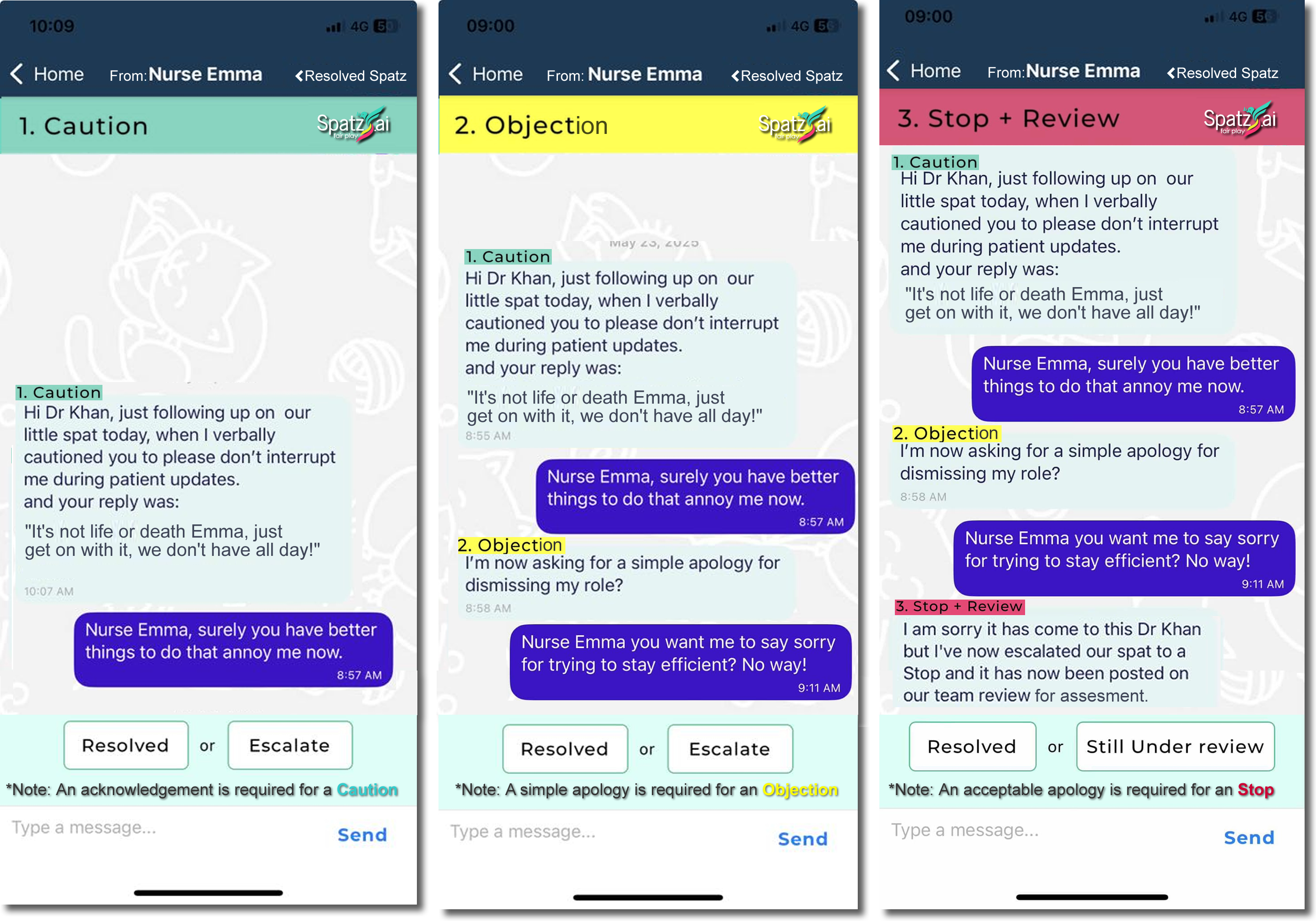
Here is a demo on Dr Khan’s iPhone receiving a Spatz from Nurse Emma
 Object123
Leave a comment