The “faster horse” line usually attributed to Henry Ford may be apocryphal, but the idea still holds.
People trapped inside an old system often ask for better versions of what they already know.
Before cars, that may have meant
Better horses,
Better whips,
Better wheels,
Better roads, or
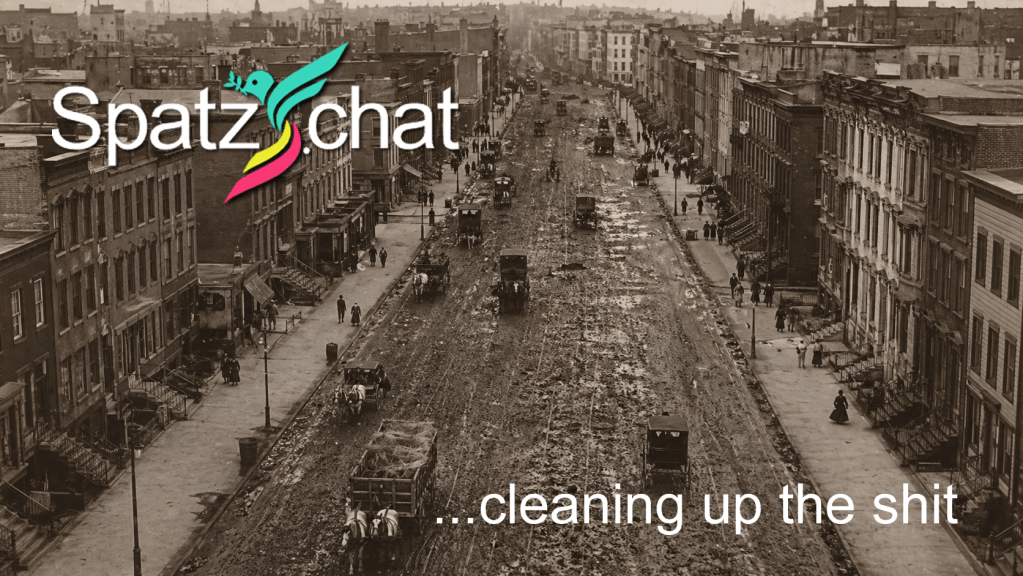
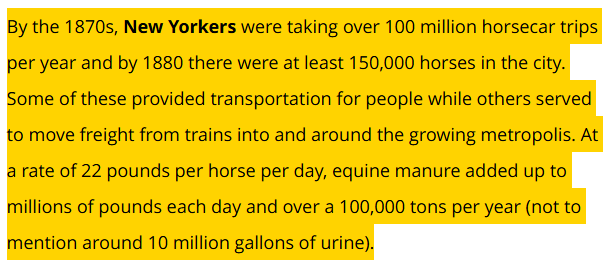
Better horse manure collection (a genuine problem in 1900s) .
Useful improvements, perhaps. But still horse-and-buggy thinking.
I think we see something similar today with the problem of people not speaking up at work.
Most people can see the problem. Employees stay silent. Warnings are missed. Risks are hidden. Bad behaviour is tolerated. Retaliation is feared. Boards and leaders are surprised by issues that many people lower down already knew about. There is even a new name for it when these things are present it is considered there is a lack of “psychological safety”.
So what do coaches, trainers, and management consultants ask for today?
More courage.
Better leaders.
More trust.
More vulnerability
More curiosity
More training.
More listening.
Better culture.
More psychological safety.
All useful, perhaps.
But are they still just better horse-and-buggy answers?
The harder question is not only, “How do we encourage people to speak up?”
The harder question is, “What happens in the next ten seconds after they do?”
If someone raises a concern and is dismissed, mocked, punished, interrupted, reframed as negative, or quietly marked as difficult, then the problem is not a lack of voice. The problem is the lack of an agreed process for protecting the voice in real time.
That is the missing procedural layer I believe.
In my view, psychological safety cannot remain only an aspiration, value, workshop, or leadership behaviour. It needs execution.
Teams need a simple agreed way to address unfair responses as they happen, before silence becomes rational again.
Otherwise, we may just be improving the collection of horse manure while leaving the old transport system untouched.
That is why I am developing SpatzAI: a real-time team process that gives people a simple, agreed way to address unfair responses when someone speaks up. Not months later through HR, not after trust has already broken down, but in the moment, through a shared protocol for course-correcting and escalating if needed, using the SpatzChat app and the Spatz Team + AI Review platform.
In my view, SpatzAI is not trying to make people braver. It is trying to make speaking up less dependent on bravery in the first place.


Leave a Reply