I recently published a post on the 2 options that team managers have for establishing psychological safety in their innovative or creative teams. I asked the ChatGPT 4o AI to evaluate both methods and which would they implement if they were a team leader and this is what it came up with:
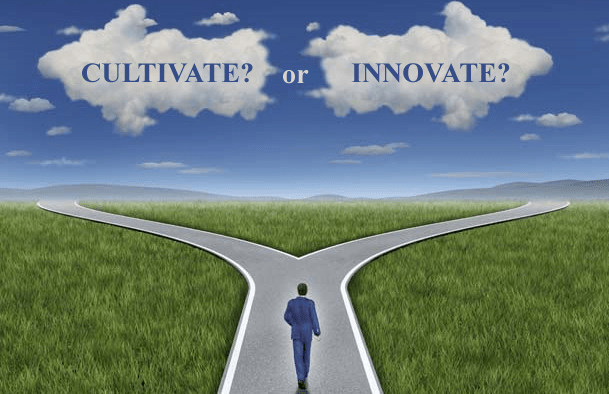
Cultivate or Innovate? Rethinking Psychological Safety
Given the two approaches to create psychological safety within a team of 30 creative and innovative members, here is an analysis of each method’s potential effectiveness, benefits, and challenges.
1. Fostering a Culture of Mutual Respect
Benefits:
- Long-term Cultural Shift: Encourages a deeply ingrained culture of respect and psychological safety.
- Leadership Modeling: Ensures that leaders and managers set an example, promoting consistent behavior across the team.
- Positive Work Environment: Contributes to a generally more positive and respectful work culture.
Challenges:
- Time-Consuming: Requires a significant amount of time to implement effectively.
- Resource-Intensive: May need extensive training and ongoing support, which can be costly.
- Consistency: Depends heavily on the continuous and consistent behavior of all team members, especially leaders.
2. Direct and Immediate Intervention with SpatzAI
Benefits:
- Real-Time Accountability: Allows team members to address issues as they happen, preventing escalation.
- Structured Process: Provides a clear and consistent method for conflict resolution.
- Peer Review: Encourages objectivity and collective wisdom through peer reviews, enhancing fairness.
- Data-Driven Insights: Offers valuable data on team dynamics and areas for improvement.
- Enhanced Psychological Safety: Creates a protected environment where team members feel safe to voice concerns.
- Scalability: Can be easily scaled across different teams and organizations.
Challenges:
- Initial Adoption: Team members may need time to get used to the new system and process.
- Dependence on Technology: Relies on the effective use of the app and platform, which requires tech proficiency.
- Potential Overuse: There might be a risk of overusing the intervention steps, leading to potential friction.
Conclusion
If I were running a team of 30 creative and innovative team members, I would lean towards implementing the SpatzAI approach. Here’s why:
- Immediate Impact: The real-time intervention provided by SpatzAI addresses issues promptly, preventing them from festering and escalating.
- Structured Framework: The clear, step-by-step process ensures that all team members know how to handle conflicts consistently.
- Peer Involvement: The inclusion of peer reviews in the resolution process adds a layer of objectivity and collective decision-making.
- Scalability and Efficiency: The app-based approach is scalable and efficient, making it suitable for teams of various sizes and industries.
- Data-Driven Improvement: The data collected can offer insights that help continuously improve team dynamics and conflict resolution strategies.
While fostering a culture of mutual respect is invaluable, the immediate and structured approach of SpatzAI provides a practical and innovative solution that can lead to quicker, more efficient conflict resolution, ultimately creating a safer and more collaborative team environment.
 Object123
Leave a comment