Preparing Teams for the Small Failures Before They Become Big Ones
Over 20 years ago, I was in a travel startup meeting with my brother and a well-known industry advisor.
We were discussing a potential investor relationship. I raised a concern bluntly, saying that we should warn the investors about us. In my view, we were not well matched.
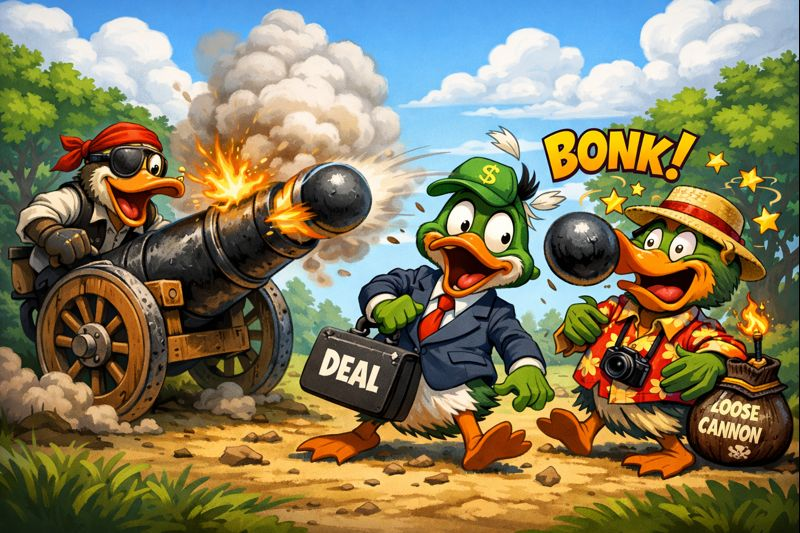
The response was immediate. I was labelled a loose cannon. My brother agreed. I withdrew, feeling like the odd one out.
The investment went ahead with a poorly negotiated deal and outcome. Our startup failed some 2 years later, losing a couple of million dollars.
Looking back, I don’t think the real failure was simply that I spoke up, or that others unfairly pushed back. I think the deeper failure was that we had no agreed process to dissent.
There was no shared process for raising a concern.
There was no structure for challenging how that concern was delivered.
There was no agreed response when someone felt unfairly treated.
There was no fair pathway for resolving the friction in real time.
So the dissent became personal. The delivery became the issue. The content of the concern was never properly tested.
I think this happens in workplace teams every day.
Someone believes they are raising a fair concern. Someone else experiences it as disruptive, badly timed, too blunt, or unfairly delivered. Without a shared process, both sides can feel right, both sides can feel wronged, and the team is left to guess what really happened.
That is the gap SpatzChat™ was created to address.
SpatzChat™ gives teams a simple agreed process for handling minor workplace spats before they become disputes, conflicts, or HR problems:
Privately.
Transparently.
Consistently.
The SpatzChat helps team members:
- raise concerns earlier,
- caution poor delivery in real time,
- document unresolved spats,
- escalate proportionately,
- and resolve issues through team and AI-assisted review.
- finally, if still unresolved, the now documented issue is passed on to management or HR.
The aim is not to encourage more conflict. We do not want to conflate conflict with disagreement, period.
The aim is to encourage difficult conversations and disagreement while helping teams prepare for the small failures that naturally happen when people work, think, decide, and disagree together.
Because dissent is not enough.
Teams also need an agreed way to handle dissent fairly.
Without that agreement, dissent can feel like disruption.
With it, dissent can become part of better teamwork.
 Object123
Leave a comment