In a recent exchange with Eadine Hickey, she described psychological safety as something that can be reduced whenever someone feels shut down or made to look “stupid.”
It got me thinking, if psychological safety can be so easily disturbed, is it really “safety” at all?
Maybe it’s like having a seat belt that might snap at the first jolt.
You know it’s there, but you don’t fully trust it.
That’s not real safety, that’s just wishful thinking, in my view.
The type of safety I’d aspire to see in workplace teams is one that doesn’t disappear or weaken the moment someone challenges another’s view unfairly.
Because let’s face it, the workplace is full of moments when someone will overstep, and be overly dogmatic, interrupt, or simply unfairly dismiss someone’s contribution.
That’s human to err or misbehave.
The question is whether the team has the mechanism to address and resolve it when someone is being short with a team mate, right there and then.
Imagine if, instead of silently absorbing the slight, team members had already agreed beforehand (during onboarding) how they could respond in real time, calmly, proportionately, and fairly, putting the behavior of the team member in question back in their place before the behavior can erode safety.
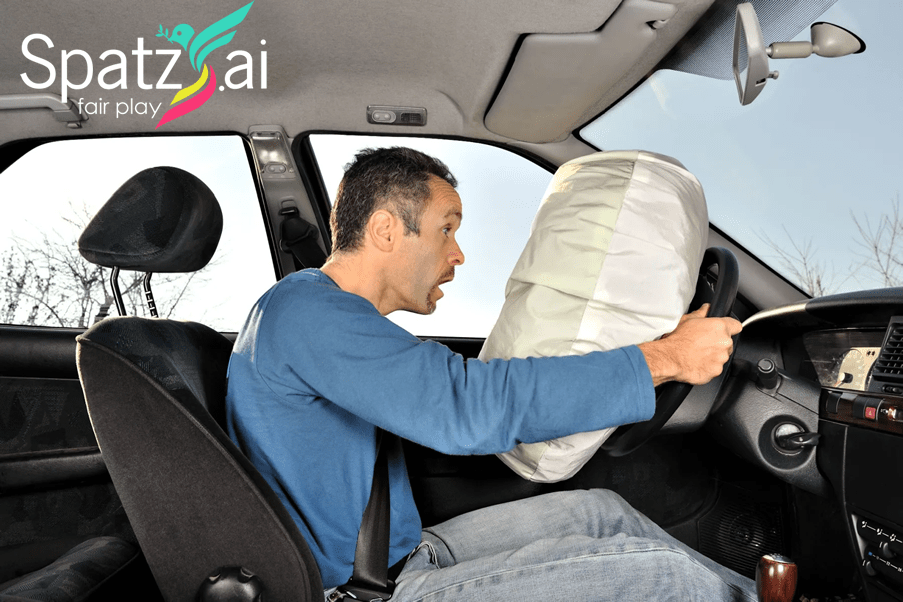
That’s not fragile safety. That’s engineered safety, a seat belt that locks when it needs to, and even an airbag that cushions the impact when it doesn’t.
It’s not about creating perfect harmony.
It’s about designing systems that let teams course-correct safely, before damage spreads.
That’s the kind of psychological safety I’d call real, and the kind SpatzAI aims to build.
 Object123
Leave a comment