Do we have a standard definition for culture in organizations and teams?
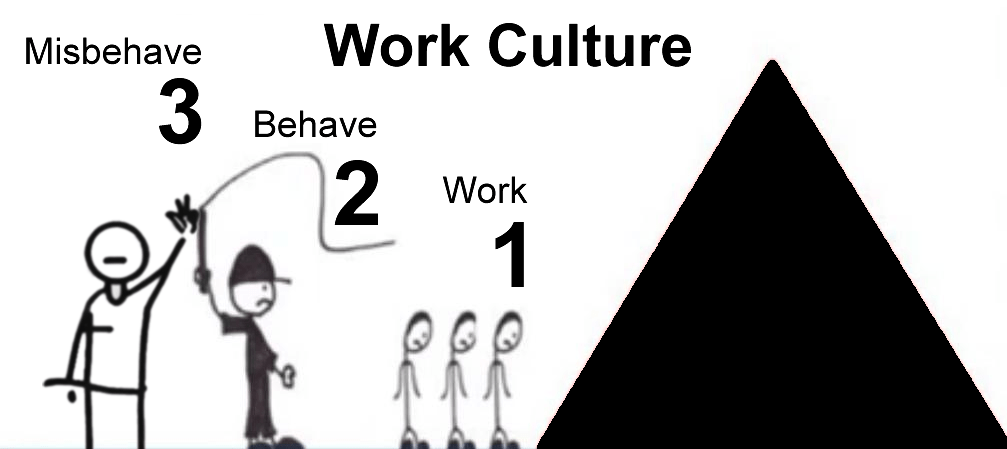
I am thinking in threes:
- The way things are done around here.
- The way we behave when we are doing things around here.
- The way we behave when we misbehave doing things around here.
It is numbers 2 & 3 that I am most interested in.
In my opinion, defining organizational culture in a way that encapsulates the nuances of behavior, both constructive and disruptive, is a valuable exercise. Our focus on ‘how people behave’ (2) and ‘how they misbehave’ (3) highlights a critical aspect of culture that is often overlooked in simplistic definitions like “the way things are done around here.”
My Proposed Definition of Culture
I believe that organizational culture can be defined as:
- The shared practices, rituals, and norms that dictate how work is accomplished within the organization. (“The way things are done around here.”)
- The collective behaviors, attitudes, and interactions that guide how individuals and teams conduct themselves while engaging in work-related activities. (“The way we behave when we are doing things around here.”)
- The implicit or explicit responses, interventions, and consequences that arise when behaviors deviate from agreed norms or expectations. (“The way we behave when we misbehave doing things around here.”)
Why Numbers 2 & 3 Matter
- Behavior during work (2): This reflects the underlying values, interpersonal dynamics, and alignment with organizational goals. It’s about how team members collaborate, communicate, and solve problems, embodying the organization’s ethos.
- Behavior during misbehavior (3): This exposes the organization’s tolerance for micro-conflict, its approach to accountability, and how it deals with ethical or interpersonal breaches or infractions. How misbehavior is addressed often reveals the true culture, as it tests the alignment between stated values and actual practices.
Standardizing the Definition
To ensure a consistent understanding, we could build on this framework by integrating a formal procedure—like SpatzAI’s model—to guide teams in addressing misbehavior constructively. Once agreed to, this could embed clarity and fairness into the cultural narrative, helping define the “way we behave” not only when things go right but especially when they don’t.
 Object123
Leave a comment