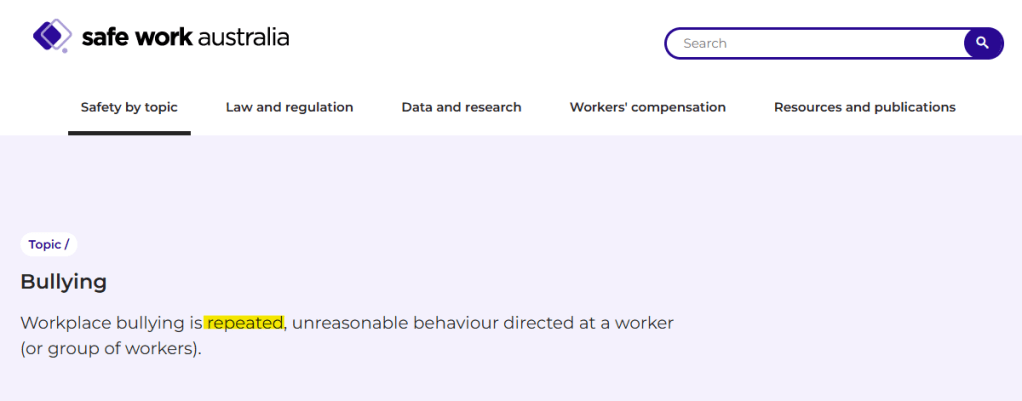
In my opinion, SpatzAI can fill a critical gap in workplace safety by addressing one-off unreasonable behaviors that current psychosocial hazard regulations, such as those outlined by Safe Work Australia, do not adequately cover. The Safe Work Australia guidelines define workplace bullying as “repeated, unreasonable behavior” that poses risks to health and safety. This emphasis on repetition often leaves employees and managers without clear protections against isolated, yet still unreasonable, behavior.
SpatzAI offers an innovative solution by enabling teams to identify and address micro-psychosocial hazards such as one-off micro-harassment, micro-bullying, and micro-conflicts in real-time, regardless of their frequency. Through its structured three-step process—1. Caution, 2. Objection, and 2. Stop—SpatzAI empowers employees to speak up early and assertively about even one-off behaviors they find objectionable. This approach prevents minor incidents from escalating into larger conflicts and ensures that all team members feel psychologically safe to express concerns.
For instance, if a manager or team member exhibits unreasonably loud or overly dogmatic, know-it-all behavior during a meeting, SpatzAI’s system encourages team members to immediately address the behavior using a 0. Verbal Caution, creating a pause, and signaling inappropriate behavior without creating tension. If the caution is challenged or ignored the objector will notify them that they will use the SpatzChat app to document and try to resolve their spat later, without disrupting the meeting. The platform facilitates upping the ante by using an official Objection on the app and using an Official Stop, as a last resort, where their conflict is now posted automatically on the Spatz Team-assisted and AI Review (STAIR) platform, creating a more transparent and objective environment for resolving their conflict.
From our perspective, SpatzAI shifts workplace culture towards proactive conflict resolution. It aligns with best practices for psychological safety by emphasizing early intervention, team discipline, and accountability. Moreover, it creates a more level playing field between managers and their teams by balancing authority with transparency and equipping team members with tools to constructively address and course-correct even their manager’s unreasonable behavior.
Ultimately, SpatzAI bridges the gap between policy and practice, ensuring all team members—managers included—are held accountable for maintaining a respectful and productive environment. We believe this model can significantly reduce workplace stress and psychosocial hazards, by addressing the one-off, micro-psychosocial hazards that usually precede actual repeated unreasonable behavior.
 Object123
Leave a comment