“Real-time” doesn’t mean people aren’t already speaking live. Most teamwork already happens live. What’s missing is real-time governance and accountability.
In most teams, the conversation is immediate, but accountability is delayed. A small behavioural slip happens in a meeting. Someone feels dismissed. Another person interrupts. A point is framed too sharply. Everyone notices, but nobody wants the awkwardness of naming it. So it gets stored as silent resentment, a private story, or a later as an irresponsible complaint, gossip.
Then the “process” kicks in after the fact. Feedback comes hours or days later. A manager is asked to mediate. HR gets involved if it escalates. By then the moment has passed, the context is fuzzy, and the narratives have already diverged.
“Real-time teamwork”, as I mean it, is different. It means the team has a shared, agreed way to course-correct behaviour in the moment, while the situation is still alive and easy to repair. A quick, proportionate intervention. Acknowledgment when it’s minor. A simple apology when needed. A clearer step-up path when it’s challenged.
This matters because micro-friction is like compound interest. Tiny unresolved moments accumulate into avoidance, politics, and eventually “conflict,” when the original disagreement was often healthy and productive.
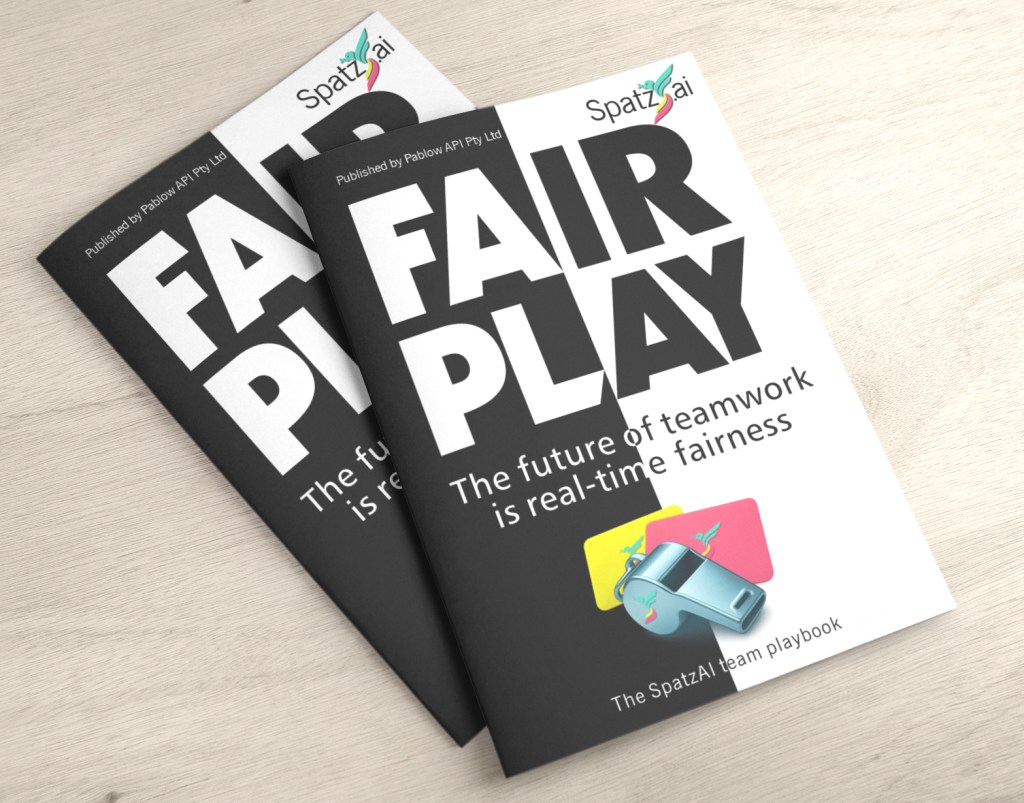
The future of teamwork is not more meetings, more training, or more policies. It’s real-time fairness: fast, simple course-corrections that keep disagreements safe and keep collaboration moving.
That’s what I mean by real-time.
 Object123
Leave a comment